reading-notes
Dynamic Web Pages with JavaScript
Before we get into it, we first need to understand what JavaScript is, Javascript is a lightweight programming language with first-class functions. While similar to mark down in the sense that it’s a web development language, it is widely known as the primary web page scripting language. It’s even popular to be used among non-browser environments.
It’s dynamic potential includes runtime object construction, variable parameter lists, functional variables, dynamic script creation, object introspection, as well as source recovery.
What are variables in JavaScript?
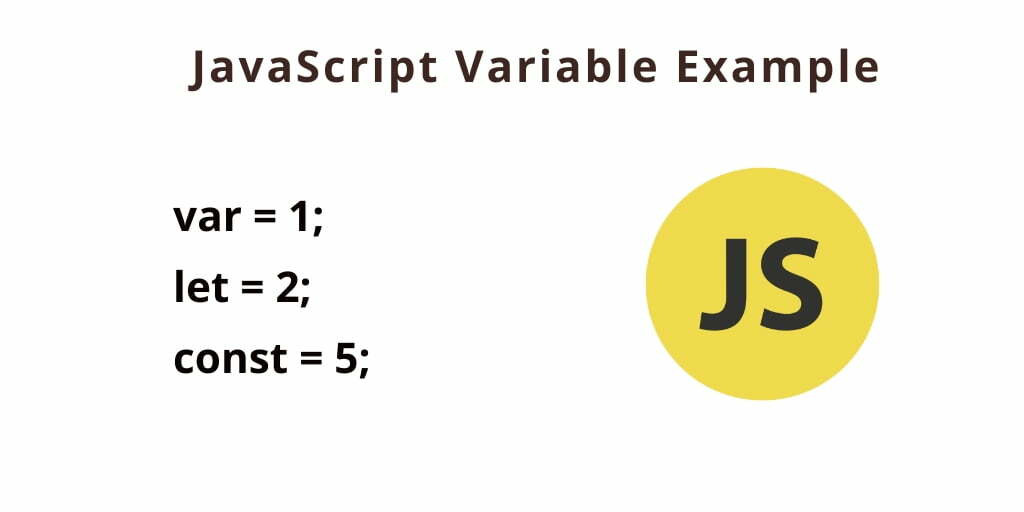
Variables aren’t some grand item in coding, they are designated objects that developers(that’s you) create to hold information. For example x=1, y=2, z=3 are all examples of variables. Traditionally though it’s common to place the var element at the beginning to designate that those characters are variables.
What does it mean to declare a variable
Declaring a variable occurs when the developer assigns information to the undeclared variable. For example if we simple create var x=1 we have declared a variable X and given it the value of 1.
What is an assignment operator and what does it do?
We’ve actually seen the assignment operator already in previous examples. Believe it or not it’s not all that exciting, but it’s the = symbol. In plain text it’s a pretty straight forward explanation. It’s assigning one thing to another. Example: x = 1 the assignment operator assigns the value of 1 to the variable x.
What is information received from the user called?
Information received from the user is often referred to User input. What this refers to is a function(or segement of code) that when run seeks input from the user. For example a login screen for any website is requesting user input(your user and your password). The most common introduction to this in javascript is using the prompt command, it will output a predetermined message to the user and allows the user to input a response to that predetermined message.